





Giá nhôm tấm tuần 41/2026: SMM A00 rơi về 23.650 CNY/tấn sau lễ
Sàn Thượng Hải mở cửa lại sau Quốc khánh với hai phiên giảm liền: giá nhôm thỏi SMM A...


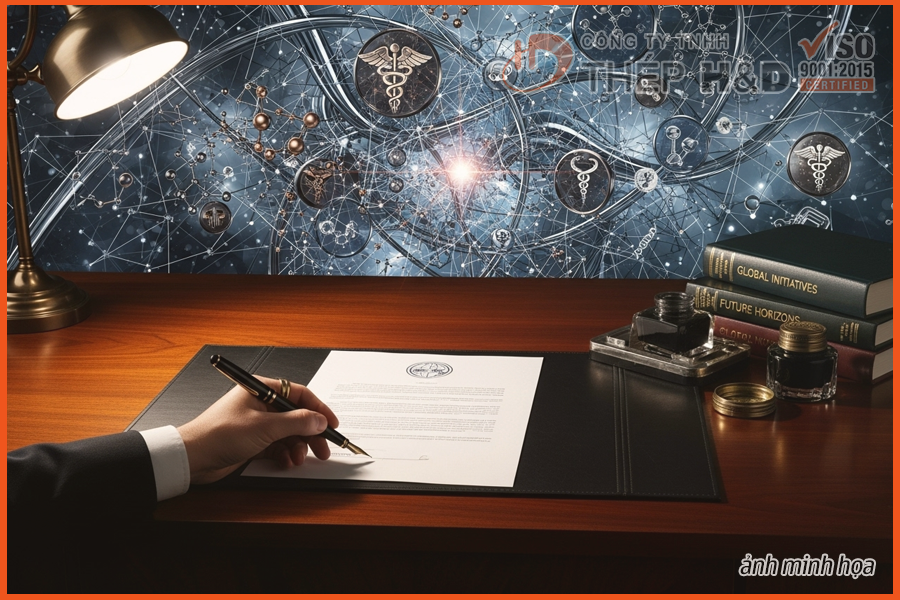
Washington D.C., September 08, 2025 – U.S. President Donald Trump signed an executive order on September 5, 2025, exempting over 45 import categories, including strategic metals like nickel and gold, along with pharmaceutical compounds and chemicals, from tariffs. This decision, effective 12:01 a.m. EDT on September 8, 2025, marks a strategic shift in U.S. trade policy, moving from broad tariff imposition to a conditional approach aimed at encouraging trading partners to enter into reciprocal bilateral agreements.
During his previous term, the Trump administration imposed a series of tariffs on imported goods, particularly steel and aluminum, citing the protection of domestic industries and national security (under Section 232 of the Trade Expansion Act of 1962). However, this policy also generated controversy and impacted input costs for American manufacturers.
The new executive order indicates a nuanced adjustment in President Trump's trade strategy. Instead of merely imposing tariffs, the administration is now using tariff exemptions as leverage to push trading partners into framework deals where they offer reciprocal tariff and security commitments. The dual objective is to reduce the U.S. trade deficit and maximize negotiating power, while simultaneously easing cost burdens for U.S. industries reliant on essential imported materials.
This order focuses on industrial products that the United States cannot sufficiently produce domestically, ensuring that critical American industries are not hampered by supply shortages or increased costs. Key categories include:
The exemption of these items reflects an acknowledgment of their importance to the supply chains and competitiveness of U.S. industries. It also represents an effort to balance protectionist policies with the practical needs of the economy.
The cornerstone of the executive order is the requirement for countries to enter into framework deals with the U.S., committing to reciprocal tariff and security terms. The scope and economic value of partners’ commitments, along with U.S. national interests, will determine the application of tariff reductions.
This policy not only applies to new partners but also aligns U.S. tariffs with obligations under existing agreements with allies like Japan and the European Union. It also provides carveouts for certain agricultural products, aircraft and parts, and non-patented pharmaceuticals without requiring new executive actions.
Implications for industries and supply chains:
Implications for trade policy:
President Trump's tariff exemption order has the potential to significantly reshape international trade relations and global supply chains. However, its success will depend on the U.S. administration's ability to negotiate effective reciprocal agreements with trading partners. Countries will likely have to carefully weigh the economic benefits of tariff exemptions against the policy commitments they must make.
For investors and managers, closely monitoring developments in U.S. trade policy and bilateral negotiations will be crucial. This shift could create both new opportunities and challenges for businesses operating in affected sectors, demanding high flexibility and adaptability.
References:
Sàn Thượng Hải mở cửa lại sau Quốc khánh với hai phiên giảm liền: giá nhôm thỏi SMM A...
Từ ngày 20/10/2026, Nghị định 344/2026/NĐ-CP mở cơ chế đặt hàng và ưu đãi cho doanh n...
Các con số vật lý của nhôm không giống nhau giữa các mác, và mỗi con số dẫn tới một q...
Giá nhôm thỏi SMM A00 giảm ba phiên liên tiếp trong tuần 40/2026, chốt 24.030 CNY/tấn...
Sau 8 tháng 2026, thị trường ô tô Việt Nam bán 432.548 xe, mức tăng cao nhất trong 6...
Nhôm tấm 3mm là độ dày được hỏi nhiều nhất trong nhóm tấm mỏng vì đủ cứng để làm thùn...
Nhôm A6061 là hợp kim nhôm–magie–silic hoá bền bằng nhiệt luyện, được dùng nhiều nhất...
Chỉ số cước container nội Á của Drewry chốt ngày 24/9/2026 ở 1.491 USD/40ft, tăng 6%...
Giá nhôm thỏi SMM A00 chốt tuần 39/2026 ở 24.240 CNY/tấn, cao hơn 60 CNY/tấn so với t...
Nhôm chống trượt là tấm nhôm có gân nổi một mặt, dùng cho sàn xe, cầu thang và sàn xư...


.jpg)