




Northern Vietnam semiconductor supply chain: Hanyang expands
Hanyang Digitech, which makes DRAM modules and SSDs for Samsung at Phu Ha Industrial...


Rio Tinto (RIO), North America's largest aluminum producer, has warned that the reimposition of a 10% U.S. tariff on Canadian aluminum could cost the company up to $300 million annually. This warning comes as the Trump administration considers reinstating the tariffs due to pressure from domestic aluminum producers over a "surge" in aluminum imports from Canada.
Jérôme Pécresse, the chief executive of Rio Tinto's aluminum division, highlighted the potential negative impacts of this policy. He argued that imposing tariffs would harm the U.S. manufacturing supply chain, which heavily relies on Canadian supply.
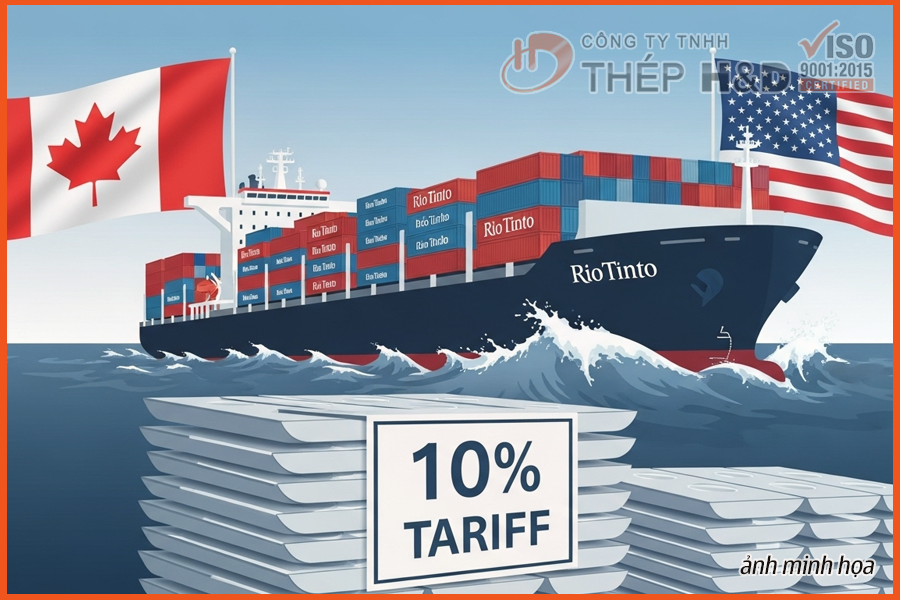
Rio Tinto argues that the increase in aluminum exports to the U.S. is not a result of unfair trade practices. Instead, it reflects a shift in market dynamics. Specifically, demand for value-added aluminum products, particularly in the automotive sector, has softened. This has led to a larger volume of primary aluminum billet being redirected to the U.S. market.
The company points out that U.S. producers do not have sufficient capacity to meet domestic demand. Rio Tinto currently exports approximately 1.1 million to 1.3 million metric tons of aluminum to the U.S. annually from its 14 smelters in Canada. Therefore, any trade barrier would increase costs for American consumers and businesses.
In contrast to Rio Tinto's position, the U.S. Aluminum Association supports the tariffs. They claim that the volume of imports from Canada is depressing market prices and threatening the viability of domestic smelters. This debate highlights the complexity and tensions within the North American aluminum supply chain.
This situation underscores the delicate balance between protecting domestic industries and maintaining an efficient international supply chain. The final decision by the Biden administration will have far-reaching implications for the aluminum industry and the trade relationship between the U.S. and Canada.
Source: Based on an article from GuruFocus.
Hanyang Digitech, which makes DRAM modules and SSDs for Samsung at Phu Ha Industrial...

A weight table for aluminum floor plate by thickness, a comparison with steel tread p...

The SMM A00 aluminium ingot price ended week 47/2026 at 22,340 CNY/t on 20 November,...

Registered FDI in Vietnam reached US$54.85 billion in the first ten months of 2026, u...

The aluminum jacket over pipe insulation decides whether the insulation stays dry and...

Vietnam's domestic car assembly rose 25.1% in the first ten months of 2026, yet impor...

10mm aluminum plate is true thick plate, used for machine bases, fixture tables, load...

The third Vietbuild Hanoi 2026 international exhibition runs from 11 to 14 November a...

5mm aluminum sheet is stiff enough for truck floors, machine bases, fixtures and load...

The SMM A00 aluminium ingot price ended week 44/2026 at 23,780 CNY/t on 30 October, 1...


