





Aluminium sheet price, week 41/2026: SMM A00 drops to 23,650
Shanghai reopened after National Day with two down sessions: the SMM A00 aluminium in...


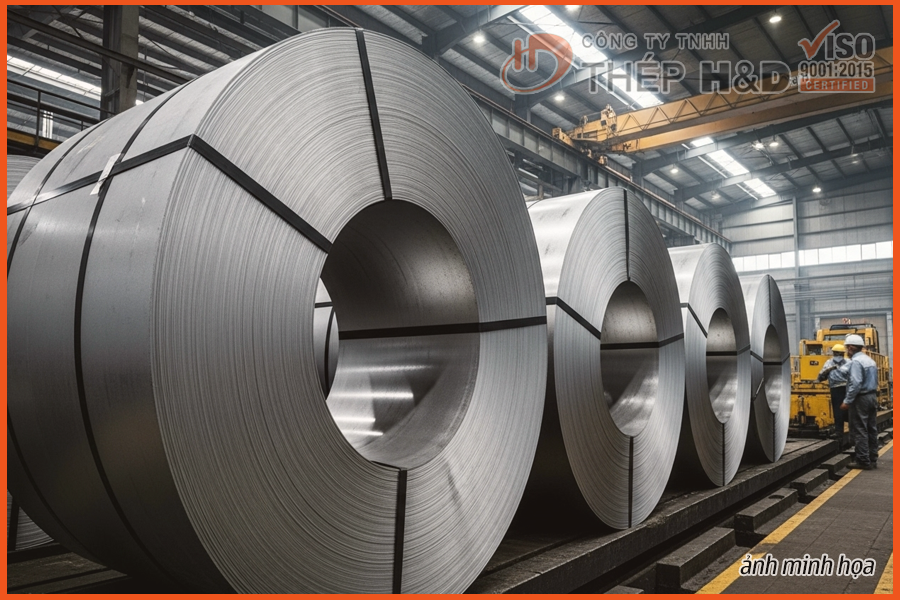
Against a backdrop of a volatile global steel market, particularly concerns over potential new tariffs from the United States, India's stainless steel industry has taken decisive action to protect its domestic market. The Indian Stainless Steel Development Association (ISSDA) has formally filed a petition with the Directorate General of Trade Remedies (DGTR), requesting an investigation and the imposition of anti-dumping duties on cheap stainless steel products being mass-imported from China, Vietnam, and Indonesia.
The petition filed by ISSDA in late June 2025 is more than a simple reaction; it reflects a deep and systemic concern throughout the industry. Indian manufacturers allege that imported products, especially from China and Vietnam, are not only sold at abnormally low prices (dumping) but are also often of substandard quality, causing significant injury to domestic producers who adhere to strict quality and environmental regulations.
This action was prompted by a sharp surge in imports in recent months. Indian steelmakers argue that without timely government intervention, they face the risk of losing market share, reducing production, and negatively impacting employment within the sector.
The Indian steel industry's move cannot be viewed in isolation. It occurs amid fears that the Trump administration might re-impose or increase tariffs on steel imported into the US. Such a policy would create a significant trade diversion effect. Specifically, vast quantities of steel from nations like China, unable to enter the US market, would seek to land in other open markets like India at even more competitive prices.
This places India in a vulnerable position, at risk of becoming a 'dumping ground' for the world's surplus steel. Therefore, the call for anti-dumping duties is seen as a strategic defensive measure, a necessary 'shield' before a potential trade storm hits. This situation highlights the importance of self-reliance on materials for modern and future industries and protecting national manufacturing capabilities.
If the DGTR accepts the petition and launches an investigation, the process could take several months. If the investigation confirms that dumping has occurred and caused material injury, India's Ministry of Finance could impose anti-dumping duties for a period of five years. This would directly benefit producers like Jindal Stainless but could also increase the cost of stainless steel products for downstream consumer industries.
Conclusion: The decision by India's stainless steel industry is a critical test of the country's trade policy in a turbulent world. It balances the protection of domestic manufacturing against maintaining a competitive environment. The outcome of this case will not only shape the future of the Indian steel industry but also send a strong message about the nation's stance in the global trade arena.
Source: Information compiled and analyzed from reports by Livemint, The Economic Times, and industry news sources as of August 11, 2025.
Shanghai reopened after National Day with two down sessions: the SMM A00 aluminium in...
From 20 October 2026, Decree 344/2026/ND-CP opens a state ordering mechanism and ince...
Aluminum's physical figures differ between alloys, and each figure drives a concrete...
The SMM A00 aluminium ingot price fell in all three sessions of week 40/2026, closing...
Vietnam's car market sold 432,548 vehicles in the first eight months of 2026, the fas...
3mm aluminum sheet is the most requested thickness in the thin-to-medium range: stiff...
A6061 is a heat-treatable aluminium–magnesium–silicon alloy widely used for machine f...
Drewry's Intra-Asia Container Index closed at 1,491 USD/40ft on 24 September 2026, up...
The SMM A00 aluminium ingot price ended week 39/2026 at 24,240 CNY/t, up 60 CNY/t fro...
Aluminum tread plate is sheet with a raised pattern on one face, used for truck floor...


.jpg)