




Northern Vietnam semiconductor supply chain: Hanyang expands
Hanyang Digitech, which makes DRAM modules and SSDs for Samsung at Phu Ha Industrial...


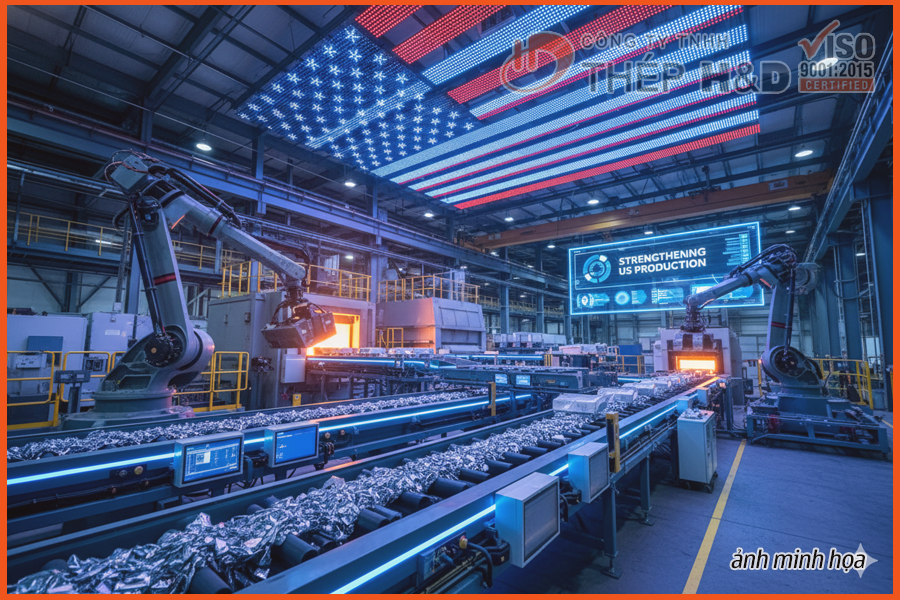
Washington D.C., October 16, 2025 – In a strategic move to enhance the competitiveness and sustainability of the U.S. aluminium industry, the Aluminium Association has officially called on the government to impose export restrictions on strategic aluminium scrap. This proposal aims not only to secure critical raw material supplies for domestic manufacturers but also to promote energy efficiency, reduce environmental impact, and create jobs, thereby strengthening the nation's manufacturing base.
The U.S. aluminium industry faces several challenges, including reliance on imported primary aluminium and volatility in the global scrap market. Currently, the U.S. imports approximately two-thirds of its annual primary aluminium consumption, primarily from Canada. Meanwhile, the nation exports over 2 million metric tons of aluminium scrap annually, while consuming between 5 to 6 million metric tons domestically. This imbalance has prompted the Aluminium Association to make a strong case: retaining high-quality aluminium scrap domestically is crucial for ensuring supply chain security and the resilience of the manufacturing sector.
Recycling aluminium offers significant economic and environmental benefits. The process consumes less than 5% of the energy required to produce primary aluminium, leading to substantial reductions in carbon emissions and production costs. For investors, strengthening the domestic supply chain through scrap export restrictions could mitigate raw material price volatility risks and enhance stability for aluminium manufacturing businesses.
The Aluminium Association has put forth several specific proposals to achieve these objectives:
Restricting aluminium scrap exports is expected to bring multiple benefits to the U.S. manufacturing sector:
The U.S. government could utilize existing legal authorities, such as Sections 232 and 301 of the Trade Act, to justify targeted scrap export controls on a national security basis. Additionally, the Aluminium Association recommends federal support for investments in advanced processing technologies and infrastructure development to enhance domestic recycling capabilities. This includes encouraging initiatives like the applications of aluminium from daily life to industrial production to optimize material utilization.
The Aluminium Association's call for strategic aluminium scrap export restrictions is a pivotal step towards reshaping the future of the U.S. aluminium industry. By prioritizing domestic supply, investing in advanced technologies, and leveraging environmental benefits, the U.S. can solidify its manufacturing position, creating a more sustainable and resilient supply chain. Investors, managers, and technical experts should closely monitor these developments, as they could unlock new opportunities and redefine the competitive landscape of the global metals industry.
References:
Hanyang Digitech, which makes DRAM modules and SSDs for Samsung at Phu Ha Industrial...

A weight table for aluminum floor plate by thickness, a comparison with steel tread p...

The SMM A00 aluminium ingot price ended week 47/2026 at 22,340 CNY/t on 20 November,...

Registered FDI in Vietnam reached US$54.85 billion in the first ten months of 2026, u...

The aluminum jacket over pipe insulation decides whether the insulation stays dry and...

Vietnam's domestic car assembly rose 25.1% in the first ten months of 2026, yet impor...

10mm aluminum plate is true thick plate, used for machine bases, fixture tables, load...

The third Vietbuild Hanoi 2026 international exhibition runs from 11 to 14 November a...

5mm aluminum sheet is stiff enough for truck floors, machine bases, fixtures and load...

The SMM A00 aluminium ingot price ended week 44/2026 at 23,780 CNY/t on 30 October, 1...


