





Giá nhôm tấm tuần 41/2026: SMM A00 rơi về 23.650 CNY/tấn sau lễ
Sàn Thượng Hải mở cửa lại sau Quốc khánh với hai phiên giảm liền: giá nhôm thỏi SMM A...


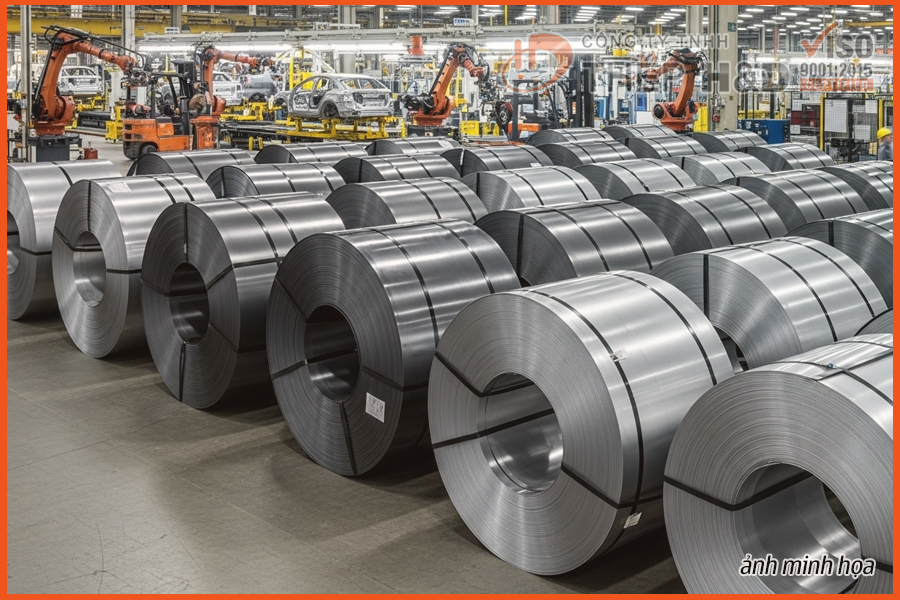
In a rare strategic move, steel producer Cleveland-Cliffs Inc. has signed two- to three-year fixed-price steel supply contracts with several major U.S. automakers, including General Motors. This development marks a significant shift from the industry's standard one-year agreements, reflecting automakers' efforts to stabilize costs and mitigate uncertainty amid tariff pressures.
The root cause of this strategic shift is the tariff policy imposed by the Trump administration, which included a 25% duty on imported steel under Section 232. While the policy aimed to protect domestic jobs and investment, it created a substantial cost burden for steel-intensive sectors, particularly the automotive industry.
Automakers faced billions of dollars in added expenses for both raw materials and components. Notably, Ford estimated the impact from steel and aluminum material tariffs could reach $2 billion in a single year. This pressure forced companies to weigh the difficult choice between raising vehicle prices, which risks losing market share, or absorbing the costs and accepting lower profit margins.
The execution of long-term contracts is a clear hedging strategy. By locking in steel prices for multiple years, automakers can more accurately forecast production costs and shield themselves from sudden price volatility in the market. This was a critical step, especially as trade negotiations with key partners like Canada and Mexico remained unresolved at the time.
Canada, which supplies nearly a quarter of U.S. steel imports, plays a crucial role in the supply chain for American manufacturers. The uncertainty in trade relations with these nations amplified the risks, compelling companies to seek stability from domestic suppliers like Cleveland-Cliffs.
These unprecedented long-term steel contracts demonstrate how industries are adapting to a volatile trade environment. This trend could reshape the relationships between suppliers and manufacturers, as well as the competitive landscape of the entire U.S. auto industry.
For investors and managers, this serves as a signal of the critical importance of supply chain risk management. Proactively seeking solutions to stabilize input costs, such as entering into long-term agreements, may be a decisive factor in a company's competitiveness and long-term sustainability.
Source: Based on compiled and verified information from market reports regarding U.S. steel tariff policies and the automotive industry's response.
Sàn Thượng Hải mở cửa lại sau Quốc khánh với hai phiên giảm liền: giá nhôm thỏi SMM A...
Từ ngày 20/10/2026, Nghị định 344/2026/NĐ-CP mở cơ chế đặt hàng và ưu đãi cho doanh n...
Các con số vật lý của nhôm không giống nhau giữa các mác, và mỗi con số dẫn tới một q...
Giá nhôm thỏi SMM A00 giảm ba phiên liên tiếp trong tuần 40/2026, chốt 24.030 CNY/tấn...
Sau 8 tháng 2026, thị trường ô tô Việt Nam bán 432.548 xe, mức tăng cao nhất trong 6...
Nhôm tấm 3mm là độ dày được hỏi nhiều nhất trong nhóm tấm mỏng vì đủ cứng để làm thùn...
Nhôm A6061 là hợp kim nhôm–magie–silic hoá bền bằng nhiệt luyện, được dùng nhiều nhất...
Chỉ số cước container nội Á của Drewry chốt ngày 24/9/2026 ở 1.491 USD/40ft, tăng 6%...
Giá nhôm thỏi SMM A00 chốt tuần 39/2026 ở 24.240 CNY/tấn, cao hơn 60 CNY/tấn so với t...
Nhôm chống trượt là tấm nhôm có gân nổi một mặt, dùng cho sàn xe, cầu thang và sàn xư...


.jpg)