






5052 Aluminum: O, H32 or H34, Bend Radius and Buying Mistakes
5052 aluminum sheet in O, H32 and H34 tempers differs clearly in strength, ductility...


As the 2024 US presidential election approaches, investors and industry leaders are keenly watching the potential implications of a second Donald Trump term. One of his most prominent policy proposals is a 10% universal tariff on all goods imported into the US, and a potential tariff of up to 60% on Chinese goods. This policy could send significant ripples across global markets, particularly for copper.
Copper, often called "Dr. Copper" for its ability to predict economic health, is at a pivotal moment. Recent forecasts from Goldman Sachs suggest copper prices could reach $10,000/tonne by Q4 2024 and surge to $12,000/tonne in 2025. This bullish outlook creates a complex scenario when combined with Trump's protectionist trade policies.
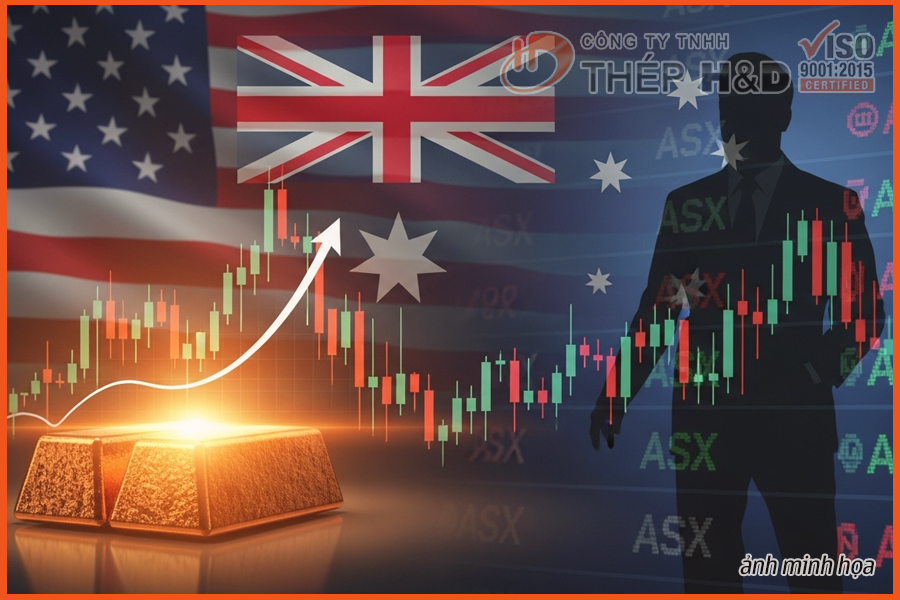
For Australia's ASX-listed mining companies, a Trump tariff is a double-edged sword. On one hand, a tariff on copper imports into the US would likely drive up the global price of the metal. Australian producers like BHP (ASX:BHP), Rio Tinto (ASX:RIO), South32 (ASX:S32), Sandfire Resources (ASX:SFR), and 29Metals (ASX:29M) could benefit from higher sale prices, boosting their revenues and profitability.
On the other hand, the risk of a full-blown trade war looms large. Retaliatory measures from other nations, especially China, could disrupt global supply chains and dampen overall demand for industrial metals. A global economic slowdown, triggered by trade wars, would reduce construction and manufacturing activity, thereby depressing demand for copper and other materials like aluminum.
The Opportunity: The immediate upside comes from a potential copper price rally. If the US imposes tariffs, non-US producers like Australia could fill the gap or benefit from a higher global benchmark price. This is particularly advantageous in a copper market that is already forecast to be tight due to demand from the green energy transition and constrained supply.
The Risk: The primary risk lies in uncertainty. Trade wars create an unpredictable business environment. Companies could face higher costs, logistical disruptions, and narrowed market access if retaliatory measures are enacted. Furthermore, a stronger US dollar, which often accompanies Trump's policies, could put downward pressure on dollar-denominated commodities.
Investors will need to carefully weigh the short-term potential gains from higher copper prices against the long-term risk of macroeconomic instability. Diversification and a focus on companies with strong balance sheets and low operating costs, such as those using efficient materials like 6061 aluminum alloy in their projects, could be a prudent strategy.
The potential return of Donald Trump and his tariff policies presents a complex scenario for Australia's copper mining sector in 2025. While the prospect of higher copper prices offers a tantalizing opportunity, the specter of a global trade war and a subsequent economic downturn is a significant threat. ASX miners and their investors must prepare to navigate a volatile landscape where political decisions in Washington could reshape global market dynamics.
Source: Based on analysis from Discovery Alert on the potential impacts of US trade policy on global commodity markets.
5052 aluminum sheet in O, H32 and H34 tempers differs clearly in strength, ductility...
Shanghai reopened after National Day with two down sessions: the SMM A00 aluminium in...
From 20 October 2026, Decree 344/2026/ND-CP opens a state ordering mechanism and ince...
Aluminum's physical figures differ between alloys, and each figure drives a concrete...
The SMM A00 aluminium ingot price fell in all three sessions of week 40/2026, closing...
Vietnam's car market sold 432,548 vehicles in the first eight months of 2026, the fas...
3mm aluminum sheet is the most requested thickness in the thin-to-medium range: stiff...
A6061 is a heat-treatable aluminium–magnesium–silicon alloy widely used for machine f...
Drewry's Intra-Asia Container Index closed at 1,491 USD/40ft on 24 September 2026, up...
The SMM A00 aluminium ingot price ended week 39/2026 at 24,240 CNY/t, up 60 CNY/t fro...


