






Nhôm A5052: chọn O, H32 hay H34, bán kính chấn và lỗi khi mua
Cùng là nhôm A5052 nhưng tấm trạng thái O, H32 và H34 có độ bền, độ dẻo và bán kính c...


Aluminum is one of the most important metals in modern life, but have you ever wondered how it's made? The aluminum smelting process is a complex technical journey that transforms a reddish-brown clay-like substance into the shiny metal we use daily. If you want to learn about aluminum, understanding its production process is the first step. This process can be divided into three main stages:
To put it in perspective, it takes about 4-5 tonnes of bauxite ore to produce 2 tonnes of alumina, which in turn yields 1 tonne of aluminum metal.

The journey of aluminum production begins with bauxite, often called "aluminum ore." It is a mineral primarily composed of aluminum oxide (typically 40-60%). Most of the world's major bauxite mines are open-pit operations located in tropical regions.
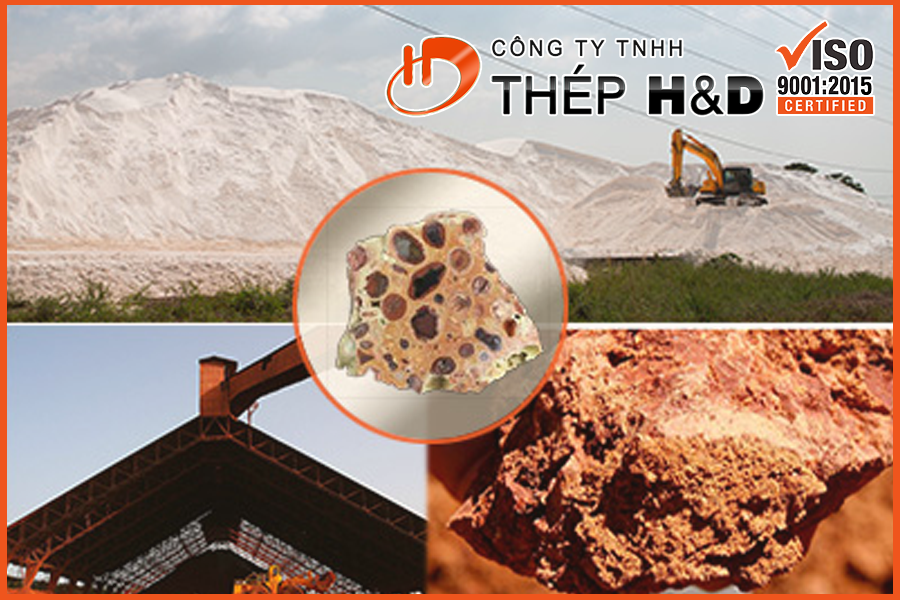
After mining, the raw bauxite ore is transported to a refinery to be purified into aluminum oxide powder, known as alumina. The most common method, accounting for about 90% of global production, is the Bayer process. This process uses a hot caustic soda solution to dissolve the aluminum oxide from the ore, which is then filtered and heated to produce fine white alumina powder.

This is the decisive step to turn alumina into metallic aluminum. Because the chemical bond in Al₂O₃ is very strong, an energy-intensive process called the Hall–Héroult process is used. The alumina is dissolved in a molten cryolite bath, and a powerful electric current is passed through it, breaking the Al-O bonds and releasing liquid aluminum.
Overall Equation: 2Al₂O₃ + 3C → 4Al + 3CO₂
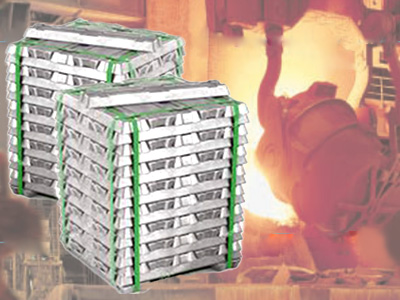
The molten aluminum collected is then treated to remove impurities and cast into standard ingots or billets. From here, they can be further processed into final products like aluminum sheets, aluminum coils, or extruded into various solid aluminum bars and profiles.
One of the most valuable properties of aluminum is its ability to be infinitely recycled without any loss of quality. This turns scrap aluminum into an extremely valuable "urban mine." Recycling aluminum consumes only about 5% of the energy compared to new production. It's estimated that recycling 1 kg of aluminum cans saves 8 kg of bauxite and 14 kWh of electricity, significantly reducing the environmental impact.

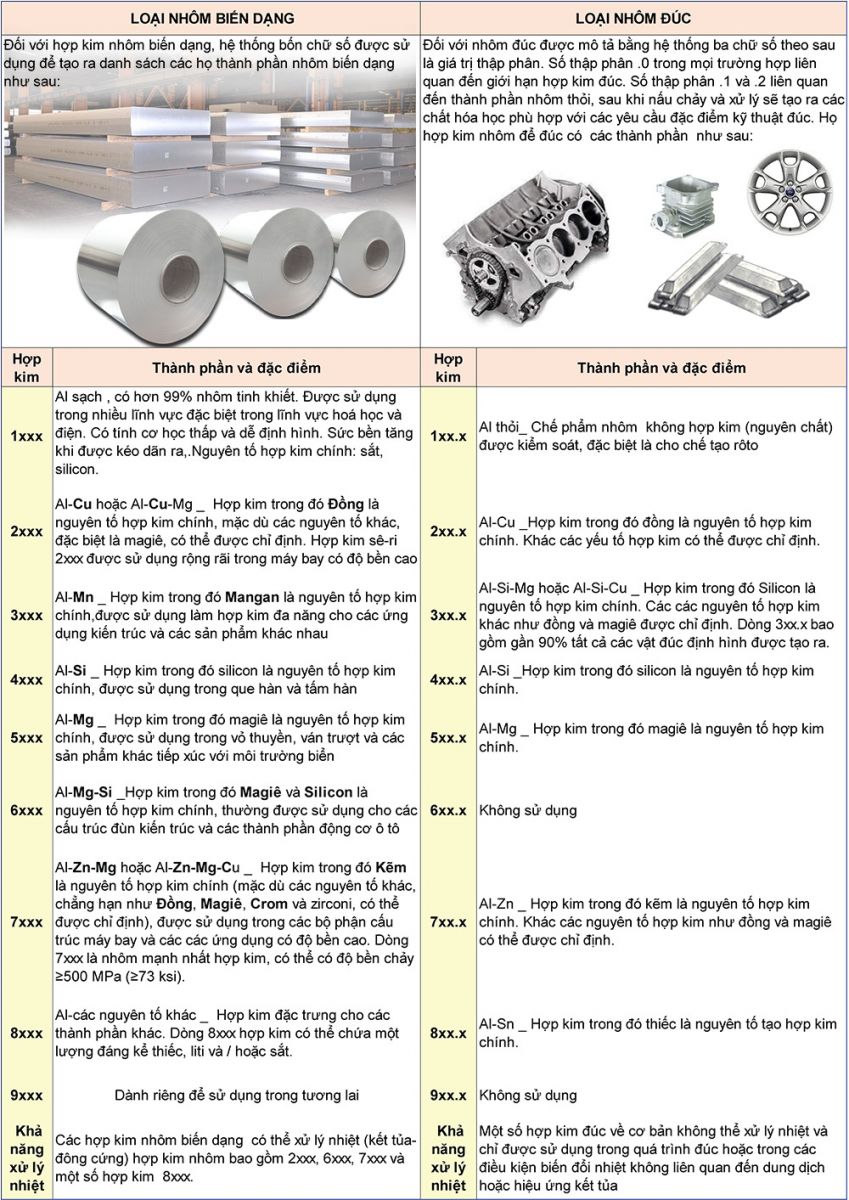
To differentiate between types of aluminum, the industry uses designation systems, the most common being from the U.S. Aluminum Association (AA). This system uses a 4-digit code, such as 6061 aluminum, where the first digit indicates the main alloy group. To learn more, you can read our detailed guide on how to look up aluminum grades.
Cùng là nhôm A5052 nhưng tấm trạng thái O, H32 và H34 có độ bền, độ dẻo và bán kính c...
Sàn Thượng Hải mở cửa lại sau Quốc khánh với hai phiên giảm liền: giá nhôm thỏi SMM A...
Từ ngày 20/10/2026, Nghị định 344/2026/NĐ-CP mở cơ chế đặt hàng và ưu đãi cho doanh n...
Các con số vật lý của nhôm không giống nhau giữa các mác, và mỗi con số dẫn tới một q...
Giá nhôm thỏi SMM A00 giảm ba phiên liên tiếp trong tuần 40/2026, chốt 24.030 CNY/tấn...
Sau 8 tháng 2026, thị trường ô tô Việt Nam bán 432.548 xe, mức tăng cao nhất trong 6...
Nhôm tấm 3mm là độ dày được hỏi nhiều nhất trong nhóm tấm mỏng vì đủ cứng để làm thùn...
Nhôm A6061 là hợp kim nhôm–magie–silic hoá bền bằng nhiệt luyện, được dùng nhiều nhất...
Chỉ số cước container nội Á của Drewry chốt ngày 24/9/2026 ở 1.491 USD/40ft, tăng 6%...
Giá nhôm thỏi SMM A00 chốt tuần 39/2026 ở 24.240 CNY/tấn, cao hơn 60 CNY/tấn so với t...


