





Aluminium sheet price, week 41/2026: SMM A00 drops to 23,650
Shanghai reopened after National Day with two down sessions: the SMM A00 aluminium in...


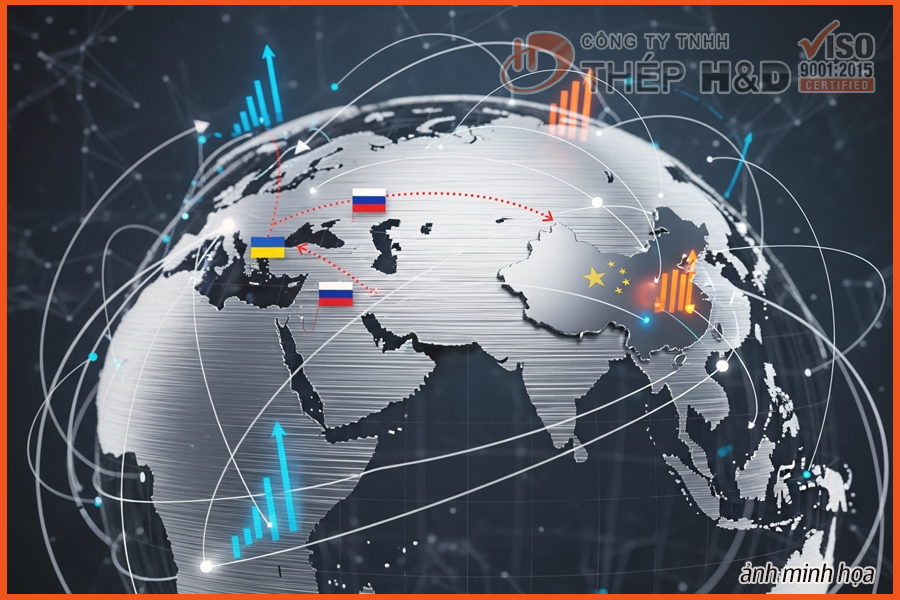
September 16, 2025 – The global aluminum market is navigating a period of significant volatility, shaped by the far-reaching impacts of the Russia-Ukraine conflict and China's increasingly dominant role. As an essential metal with widespread applications in transportation, packaging, construction, and electrical uses, aluminum faces challenges related to supply chains, price fluctuations, and geopolitical risks, demanding a comprehensive and flexible strategic outlook from investors and industry professionals.
Aluminum is the most abundant metal in the Earth's crust and the third most common element, comprising 8% of the Earth's crust. Its versatility – lightweight, strong, corrosion-resistant, and highly recyclable – makes it indispensable across numerous modern industries. Global aluminum demand is estimated at approximately 29 million tons per year, with roughly 7 million tons supplied by recycled materials, highlighting the importance of both primary and secondary production.
The Russia-Ukraine conflict, which erupted in 2022 and remains ongoing, has caused significant disruptions to the global aluminum supply chain. Russia is one of the world's top producers and exporters of primary aluminum and alumina.
China plays a dual role as the largest global producer and consumer of aluminum, controlling a major share of primary aluminum production capacity, refining, and downstream processing. This role grants China significant influence over global prices through its production levels and export policies.
The global aluminum market stands at a crossroads, where geopolitical factors, trade policies, and fundamental supply-demand dynamics intertwine. The Russia-Ukraine conflict has highlighted the vulnerability of supply chains, while China's role continues to reshape the competitive and trade landscape. Energy costs, geopolitical conflicts, tariffs, and global trade routes remain major factors shaping the aluminum market's future.
For investors, managers, and technical experts, understanding these complex dynamics is crucial. Strategies should focus on diversifying supply sources, investing in recycling technologies, and closely monitoring international trade policies to mitigate risks and capitalize on opportunities in a rapidly evolving aluminum market.
References:
See also: Aluminum Plate 1050, 3003, 5052, 6061, 7075 and Aluminum Coil, Plate Price List
Shanghai reopened after National Day with two down sessions: the SMM A00 aluminium in...
From 20 October 2026, Decree 344/2026/ND-CP opens a state ordering mechanism and ince...
Aluminum's physical figures differ between alloys, and each figure drives a concrete...
The SMM A00 aluminium ingot price fell in all three sessions of week 40/2026, closing...
Vietnam's car market sold 432,548 vehicles in the first eight months of 2026, the fas...
3mm aluminum sheet is the most requested thickness in the thin-to-medium range: stiff...
A6061 is a heat-treatable aluminium–magnesium–silicon alloy widely used for machine f...
Drewry's Intra-Asia Container Index closed at 1,491 USD/40ft on 24 September 2026, up...
The SMM A00 aluminium ingot price ended week 39/2026 at 24,240 CNY/t, up 60 CNY/t fro...
Aluminum tread plate is sheet with a raised pattern on one face, used for truck floor...


.jpg)