Triển vọng và Khuyến nghị cho Doanh nghiệp
Mức tăng nhẹ của giá đồng vào ngày 29/9/2025 là một minh chứng cho sự cân bằng mong manh giữa các lực lượng thị trường. Đối với các doanh nghiệp hoạt động trong ngành kim loại và xây dựng, việc theo dõi sát sao các yếu tố này là cực kỳ quan trọng:
- Quản lý Rủi ro: Các doanh nghiệp cần có chiến lược quản lý rủi ro giá đồng hiệu quả, bao gồm việc sử dụng các công cụ phòng ngừa rủi ro (hedging) để bảo vệ biên lợi nhuận khỏi sự biến động giá.
- Đa dạng hóa Nguồn cung: Để giảm thiểu tác động từ các gián đoạn nguồn cung, việc đa dạng hóa các nhà cung cấp đồng và xây dựng chuỗi cung ứng linh hoạt là cần thiết.
- Theo dõi Chính sách: Luôn cập nhật các chính sách thương mại quốc tế, chính sách tiền tệ của các ngân hàng trung ương lớn và tình hình địa chính trị để dự báo xu hướng thị trường.
- Đầu tư vào Công nghệ: Nhu cầu đồng trong các ngành công nghệ cao như xe điện và năng lượng tái tạo đang tăng lên. Các doanh nghiệp có thể xem xét đầu tư vào các công nghệ mới để tận dụng xu hướng này.
Tóm lại, thị trường đồng vào cuối tháng 9 năm 2025 đang ở trong trạng thái cân bằng động, với các yếu tố hỗ trợ từ nguồn cung thắt chặt và nhu cầu tiềm năng từ Trung Quốc, đối trọng với những áp lực từ đồng USD mạnh và các bất ổn địa chính trị. Sự tăng giá nhẹ là một tín hiệu cho thấy thị trường đang tìm kiếm điểm cân bằng mới trong bối cảnh kinh tế toàn cầu đầy thách thức.
Nguồn tham khảo:
- Kinh Tế Đô Thị: https://kinhtedothi.vn/gia-kim-loai-dong-ngay-29-9-tang-nhe.857826.html
- Hoangdat.vn: https://www.hoangdat.vn/post/xu-huong-gia-kim-loai-dong-2025
- Metal.com: https://www.metal.com/vn/newscontent/103207635
- VTV.vn: https://vtv.vn/kinh-te/giai-bai-toan-mang-ten-ty-gia-nam-2025-20250213183109203.htm
- Diễn Đàn Doanh Nghiệp: https://diendandoanhnghiep.vn/nhung-yeu-to-nao-se-chi-phoi-ty-gia-trong-nam-2025-10147428.html
: ## Copper Prices on September 29, 2025: Slight Increase Amidst Global Supply-Demand and Macroeconomic Volatility
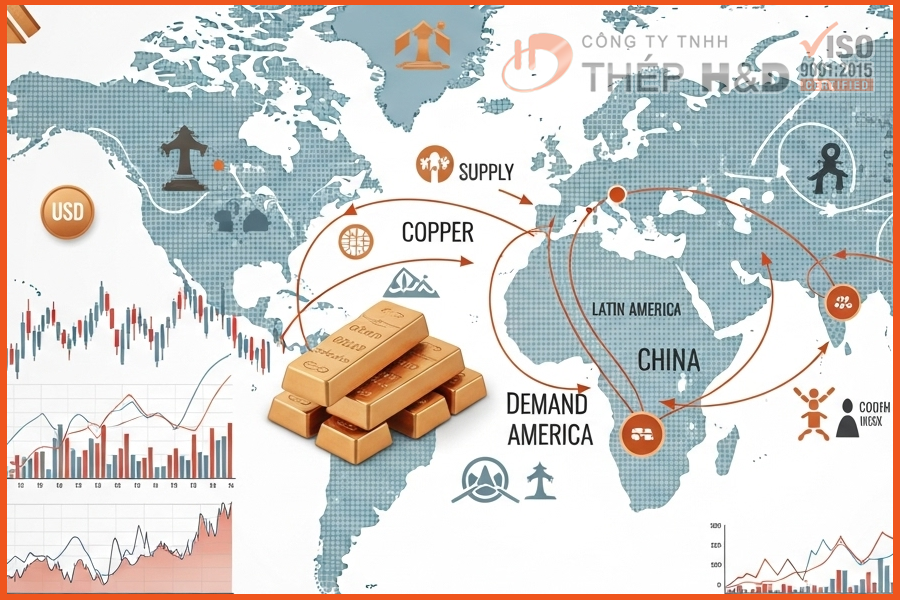
On September 29, 2025, the global copper market witnessed a slight price increase, reflecting the complex interplay of supply-demand dynamics, macroeconomic conditions, and geopolitical factors. While the gain was modest, it underscores the market's sensitivity to shifts in supply chains and major economic policies. For investors, managers, and technical experts in the industry, understanding these drivers is key to making strategic decisions.
Analysis of Copper Price Drivers
Copper prices, often dubbed "Dr. Copper" for their ability to signal the health of the global economy, are influenced by a confluence of intertwined factors:
1. Global Supply and Demand: Pressure from Supply Disruptions and Chinese Demand
- Supply Disruptions: One of the primary factors supporting copper prices is tightening supply. Strikes, environmental issues, and operational challenges at major copper mines in Latin America, particularly Chile and Peru – the world's top two copper producers – have significantly disrupted output. These disruptions not only reduce the available copper on the market but also create concerns about future supply, pushing prices higher.
- Demand from China: China, consuming over 50% of global copper output, is a pivotal player. Any economic stimulus packages from Beijing, especially in infrastructure or manufacturing sectors, could significantly boost copper demand, thereby supporting prices. Conversely, if China's economic growth slows or restrictive policies are implemented, downward pressure on copper prices would intensify.
2. Macroeconomic Conditions and Monetary Policy
- U.S. Dollar Strength: A strong U.S. dollar typically exerts downward pressure on dollar-denominated commodities, including copper. When the USD appreciates, copper becomes more expensive for buyers using other currencies, reducing demand. The monetary policies of the U.S. Federal Reserve (Fed), particularly interest rate decisions, play a central role in shaping the USD's strength.
- Fed's Interest Rate Policy: As of late September 2025, markets are closely monitoring signals from the Fed regarding its interest rate trajectory. If the Fed continues to maintain high interest rates or adopts a more "hawkish" stance, the USD could strengthen, putting pressure on copper prices. Conversely, expectations of interest rate cuts could weaken the USD and support copper prices. In Vietnam, the USD/VND exchange rate volatility is also indirectly influenced by Fed policy, impacting import costs and domestic copper prices.
3. International Trade Policies and Geopolitics
- U.S. Trade Policy: Under President Donald Trump (if re-elected in 2025), the potential for new tariffs on Chinese goods could create short-term instability in the copper market, due to concerns about global trade slowdowns. However, policies stimulating domestic U.S. investment, particularly in green energy and infrastructure, could boost long-term copper demand.
- Geopolitical Conflicts: Conflicts such as the Russia-Ukraine war and instability in the Middle East continue to be risk factors. They can disrupt global supply chains, affecting copper mining, transportation, and processing, thereby leading to unpredictable price fluctuations.
Outlook and Recommendations for Businesses
The slight increase in copper prices on September 29, 2025, is a testament to the delicate balance between market forces. For businesses operating in the metals and construction sectors, closely monitoring these factors is crucial:
- Risk Management: Companies need effective copper price risk management strategies, including the use of hedging instruments to protect profit margins from price volatility.
- Supply Diversification: To mitigate the impact of supply disruptions, diversifying copper suppliers and building resilient supply chains are essential.
- Policy Monitoring: Stay updated on international trade policies, monetary policies of major central banks, and geopolitical developments to forecast market trends.
- Investment in Technology: Demand for copper in high-tech industries such as electric vehicles and renewable energy is growing. Businesses can consider investing in new technologies to capitalize on this trend.
In conclusion, the copper market in late September 2025 is in a state of dynamic equilibrium, with supportive factors from tight supply and potential demand from China, counterbalanced by pressures from a strong U.S. dollar and geopolitical uncertainties. The slight price increase signals that the market is seeking a new equilibrium amidst a challenging global economic landscape.
References:
- Kinh Tế Đô Thị: https://kinhtedothi.vn/gia-kim-loai-dong-ngay-29-9-tang-nhe.857826.html
- Hoangdat.vn: https://www.hoangdat.vn/post/xu-huong-gia-kim-loai-dong-2025
- Metal.com: https://www.metal.com/vn/newscontent/103207635
- VTV.vn: https://vtv.vn/kinh-te/giai-bai-toan-mang-ten-ty-gia-nam-2025-20250213183109203.htm
- Diễn Đàn Doanh Nghiệp: https://diendandoanhnghiep.vn/nhung-yeu-to-nao-se-chi-phoi-ty-gia-trong-nam-2025-10147428.html









.jpg)