






Nhôm A5052: chọn O, H32 hay H34, bán kính chấn và lỗi khi mua
Cùng là nhôm A5052 nhưng tấm trạng thái O, H32 và H34 có độ bền, độ dẻo và bán kính c...


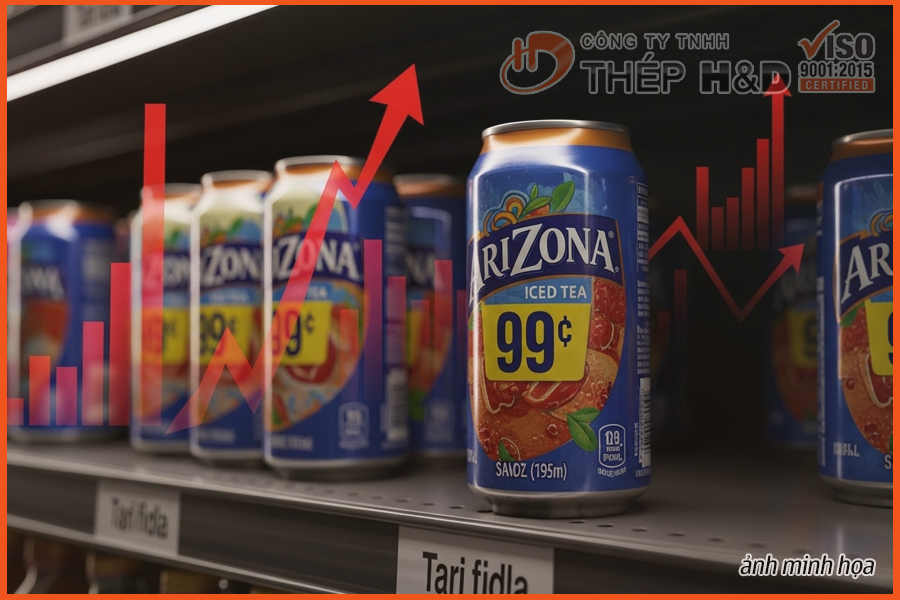
Washington, D.C., August 12, 2025 – A new wave of uncertainty is spreading across the U.S. manufacturing and consumer goods industries following proposals to sharply increase tariffs on imported aluminum. This policy, with discussed rates potentially reaching 60% and confirmed hikes to 50% on many products, poses a direct challenge to the business models of numerous companies, most notably AriZona Iced Tea, famous for its 30-year commitment to a 99-cent price point.
Aluminum is a core component in the packaging for the beverage industry. A sudden spike in this raw material's price due to tariffs will place heavy pressure on production costs, forcing companies into a difficult choice: either sacrifice profit margins or break a long-standing price promise to consumers.
The new tariff policy applies not only to raw aluminum but also extends to derivative products, including finished aluminum cans. This closes loopholes that importers might have previously exploited, making the tariff's impact more comprehensive. For a company like AriZona, where the aluminum can represents a significant portion of the product's cost, an increase in raw material prices will directly affect the final cost of goods.
Don Vultaggio, AriZona's founder, has repeatedly affirmed his determination to maintain the 99-cent price as part of the brand's identity. However, with aluminum costs at risk of soaring, the economic equation is becoming increasingly difficult to solve. This is a prime example of how the daily life applications of aluminum, especially in the F&B sector, are sensitive to macroeconomic policy shifts.
This tariff hike is part of a larger protectionist economic strategy aimed at encouraging domestic aluminum production and reducing reliance on foreign supplies. In theory, this could benefit American smelters. However, it creates a negative ripple effect for downstream industries that use aluminum as a primary input, from beverages and canned foods to automotive and aerospace manufacturing.
Economists warn that widespread price increases for consumer goods are almost inevitable if this policy is fully implemented. The end consumer will ultimately bear the cost burden. For investors and businesses, closely monitoring policy developments and exploring alternative supply chain solutions has become a top priority. Consulting domestic and international price quotes for aluminum coils and sheets will become more critical for forecasting and managing costs in this volatile business environment.
Source: Based on a report from Ainvest.com and cross-verified with economic analyses of U.S. trade policy published in 2025.
Cùng là nhôm A5052 nhưng tấm trạng thái O, H32 và H34 có độ bền, độ dẻo và bán kính c...
Sàn Thượng Hải mở cửa lại sau Quốc khánh với hai phiên giảm liền: giá nhôm thỏi SMM A...
Từ ngày 20/10/2026, Nghị định 344/2026/NĐ-CP mở cơ chế đặt hàng và ưu đãi cho doanh n...
Các con số vật lý của nhôm không giống nhau giữa các mác, và mỗi con số dẫn tới một q...
Giá nhôm thỏi SMM A00 giảm ba phiên liên tiếp trong tuần 40/2026, chốt 24.030 CNY/tấn...
Sau 8 tháng 2026, thị trường ô tô Việt Nam bán 432.548 xe, mức tăng cao nhất trong 6...
Nhôm tấm 3mm là độ dày được hỏi nhiều nhất trong nhóm tấm mỏng vì đủ cứng để làm thùn...
Nhôm A6061 là hợp kim nhôm–magie–silic hoá bền bằng nhiệt luyện, được dùng nhiều nhất...
Chỉ số cước container nội Á của Drewry chốt ngày 24/9/2026 ở 1.491 USD/40ft, tăng 6%...
Giá nhôm thỏi SMM A00 chốt tuần 39/2026 ở 24.240 CNY/tấn, cao hơn 60 CNY/tấn so với t...


