






5052 Aluminum: O, H32 or H34, Bend Radius and Buying Mistakes
5052 aluminum sheet in O, H32 and H34 tempers differs clearly in strength, ductility...


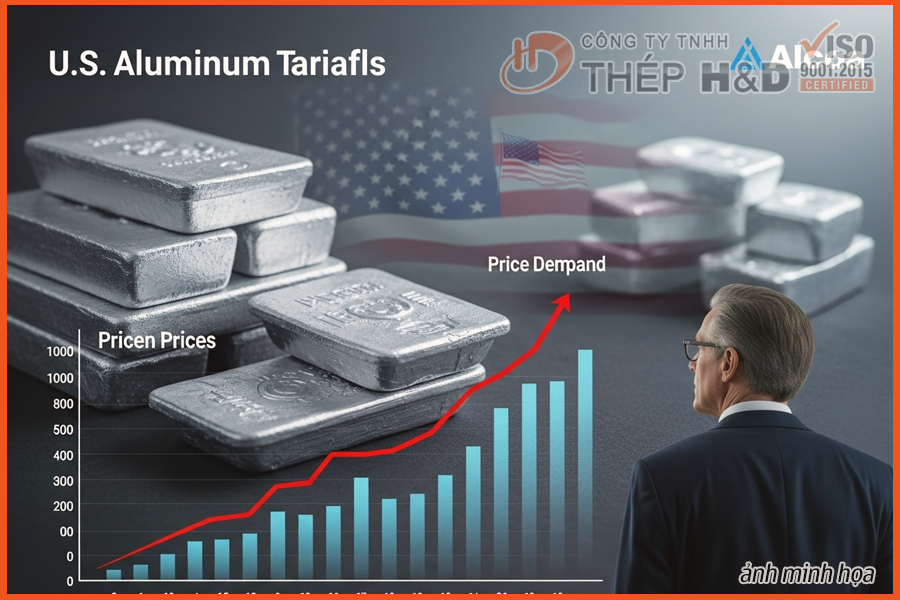
Pittsburgh, USA – September 26, 2025 – Bill Oplinger, CEO of Alcoa Corporation, the largest US aluminum producer, has issued a strong warning regarding the detrimental effects of the 50% tariffs imposed by the US government on imported aluminum. Oplinger emphasizes that these tariffs are driving domestic aluminum prices significantly above global market levels, a trend he believes will diminish demand and severely harm the American metals industry.
According to Oplinger, the initial goal of the tariffs – to protect domestic aluminum producers from unfair foreign competition – is being counteracted. Instead of strengthening the industry, they are creating an environment where US-produced aluminum becomes less competitive. Higher aluminum prices not only affect producers but also significantly increase costs for aluminum-dependent industries such as automotive, aerospace, construction, and packaging. This could lead these industries to seek alternative materials or shift production out of the United States, thereby reducing overall demand for American aluminum.
“We are seeing US aluminum prices significantly higher than the rest of the world,” Oplinger stated. “This is not sustainable and will ultimately reduce demand for our metal.” This warning from one of the leading figures in the US aluminum industry highlights deep concerns about the unforeseen consequences of protectionist trade policies.
The US government first imposed a 10% tariff on aluminum imports in 2018 under the Trump administration, with the aim of protecting domestic producers and countering global oversupply, particularly from China. Subsequently, this tariff was increased to 50% for certain countries. While proponents of the tariffs argue they are necessary to protect American jobs, encourage domestic production, and reduce reliance on foreign supply, market realities present a more complex picture.
These tariffs have led to a surge in US domestic aluminum prices, creating a significant disparity compared to international market prices. This puts US manufacturers at a disadvantage when competing in the global market and forces businesses that use aluminum to bear higher costs. For instance, the automotive industry, which strives to reduce production costs to remain competitive, will face greater pressure from rising aluminum prices, potentially influencing their design and material decisions.
While Alcoa and many market analysts express concerns about the negative impact of tariffs, proponents of the policy maintain their stance. They argue that tariffs are essential tools to combat unfair trade practices, such as dumping and foreign government subsidies, which undermine US producers. They believe that protecting the domestic aluminum industry is a matter of economic and national security.
However, reports and warnings from CEOs like Oplinger provide evidence that price increases due to tariffs can lead to production cutbacks, reduced investment, and ultimately weaken the competitiveness of the US aluminum industry. This creates a vicious cycle: tariffs intended to protect, but instead increase costs, reduce demand, and ultimately harm the very industry they aim to safeguard.
The Alcoa CEO's warning underscores the inherent tension between protectionist trade policies and free market competitiveness. For investors, managers, and technical experts, a thorough assessment of the impact of these policies on supply chains and investment strategies is crucial. Businesses need to consider options for diversifying supply sources, optimizing costs, and seeking alternative material solutions to mitigate risks from price volatility.
In this context, closely monitoring aluminum coil and sheet prices and other aluminum products becomes a key factor in making timely decisions and appropriate production strategies. The US aluminum industry stands at a crossroads, where trade policies will shape its future for years to come.
References:
5052 aluminum sheet in O, H32 and H34 tempers differs clearly in strength, ductility...
Shanghai reopened after National Day with two down sessions: the SMM A00 aluminium in...
From 20 October 2026, Decree 344/2026/ND-CP opens a state ordering mechanism and ince...
Aluminum's physical figures differ between alloys, and each figure drives a concrete...
The SMM A00 aluminium ingot price fell in all three sessions of week 40/2026, closing...
Vietnam's car market sold 432,548 vehicles in the first eight months of 2026, the fas...
3mm aluminum sheet is the most requested thickness in the thin-to-medium range: stiff...
A6061 is a heat-treatable aluminium–magnesium–silicon alloy widely used for machine f...
Drewry's Intra-Asia Container Index closed at 1,491 USD/40ft on 24 September 2026, up...
The SMM A00 aluminium ingot price ended week 39/2026 at 24,240 CNY/t, up 60 CNY/t fro...


