






5052 Aluminum: O, H32 or H34, Bend Radius and Buying Mistakes
5052 aluminum sheet in O, H32 and H34 tempers differs clearly in strength, ductility...


The aluminum scrap market is experiencing a period of robust growth, driven by global sustainability goals and superior economic efficiency. Recycling aluminum consumes only about 5% of the energy required for primary aluminum production from bauxite ore, making it a critical solution for the circular economy. Increasing demand from key sectors such as automotive, construction, and packaging is reshaping the dynamics of this market.
Once collected and processed, aluminum scrap is melted and cast into new products like aluminum plates, aluminum coils, and solid aluminum round bars, ready for diverse industrial applications.
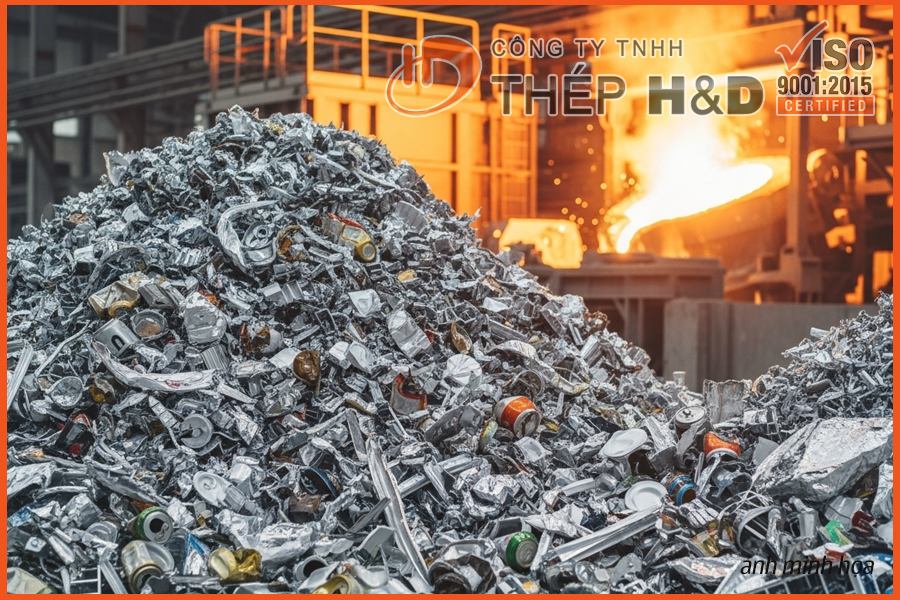
Sustainability and Environment: Increasingly stringent environmental regulations and national commitments to reduce carbon emissions have placed aluminum recycling at the forefront. Using scrap significantly reduces the carbon footprint and conserves natural resources.
Cost-Effectiveness: The significantly lower energy cost in the recycling process provides a competitive price advantage for recycled aluminum products over primary aluminum. This is particularly important amid fluctuating global energy prices.
Demand from Industries: The automotive industry is increasingly using aluminum to reduce vehicle weight and improve fuel efficiency. Similarly, the construction industry favors products like architectural aluminum extrusions for their durability and corrosion resistance. The packaging industry, especially for beverage cans, is also a major consumer.
Despite its great potential, the aluminum scrap market faces several challenges. The quality and purity of scrap is a major issue; contaminated scrap requires costly sorting and cleaning processes. Furthermore, collection and logistics infrastructure in some regions is not yet efficient enough to meet the growing demand. The volatility of aluminum prices on the London Metal Exchange (LME) also directly impacts scrap prices, creating uncertainty for recyclers.
Asia-Pacific Market: This is the largest and fastest-growing market, led by China and India. Rapid industrialization, a booming manufacturing sector, and large-scale infrastructure projects are the main drivers. Demand for products like checkered aluminum plates for industrial flooring and 5052 aluminum alloy for marine applications is rising in this region.
North American Market: This is a mature market with a well-developed recycling infrastructure. The United States and Canada focus on producing high-quality aluminum scrap for demanding industries like aerospace and automotive. High-performance alloys such as 7075 aluminum are a key focus.
European Market: This region leads in circular economy policies and has very high recycling rates, especially in Germany. Strict environmental regulations promote the use of recycled materials in all sectors, from construction to consumer goods manufacturing. The applications of aluminum in its recycled form are diverse and strongly encouraged here.
By 2025, the aluminum scrap market is projected to continue its steady growth trajectory. Technological advancements in automated sorting (using X-rays and sensors) will help improve the quality of input scrap. The global push towards a more sustainable future will ensure that recycled aluminum remains a strategic material, playing an indispensable role in the global economy.
5052 aluminum sheet in O, H32 and H34 tempers differs clearly in strength, ductility...
Shanghai reopened after National Day with two down sessions: the SMM A00 aluminium in...
From 20 October 2026, Decree 344/2026/ND-CP opens a state ordering mechanism and ince...
Aluminum's physical figures differ between alloys, and each figure drives a concrete...
The SMM A00 aluminium ingot price fell in all three sessions of week 40/2026, closing...
Vietnam's car market sold 432,548 vehicles in the first eight months of 2026, the fas...
3mm aluminum sheet is the most requested thickness in the thin-to-medium range: stiff...
A6061 is a heat-treatable aluminium–magnesium–silicon alloy widely used for machine f...
Drewry's Intra-Asia Container Index closed at 1,491 USD/40ft on 24 September 2026, up...
The SMM A00 aluminium ingot price ended week 39/2026 at 24,240 CNY/t, up 60 CNY/t fro...


