






5052 Aluminum: O, H32 or H34, Bend Radius and Buying Mistakes
5052 aluminum sheet in O, H32 and H34 tempers differs clearly in strength, ductility...


Thị trường máy cắt tia nước toàn cầu đang được định hình bởi sự đổi mới công nghệ, tính linh hoạt vật liệu và các lợi ích về môi trường. Mặc dù có những thách thức về chi phí và độ phức tạp, nhưng nhu cầu ngày càng tăng từ các ngành công nghiệp trọng yếu và xu hướng tự động hóa sẽ tiếp tục thúc đẩy sự tăng trưởng. Châu Á – Thái Bình Dương sẽ dẫn đầu về khối lượng, trong khi Bắc Mỹ và Châu Âu tập trung vào các ứng dụng tiên tiến. Các nhà đầu tư và chuyên gia cần theo dõi sát sao các xu hướng này để đưa ra các quyết định chiến lược, đặc biệt là trong bối cảnh các dự báo tăng trưởng có thể khác nhau giữa các nguồn.
Nguồn tham khảo:
---
: ## Global Waterjet Cutting Machine Market Anticipated for Robust Growth: An In-Depth Analysis for 2025-2035
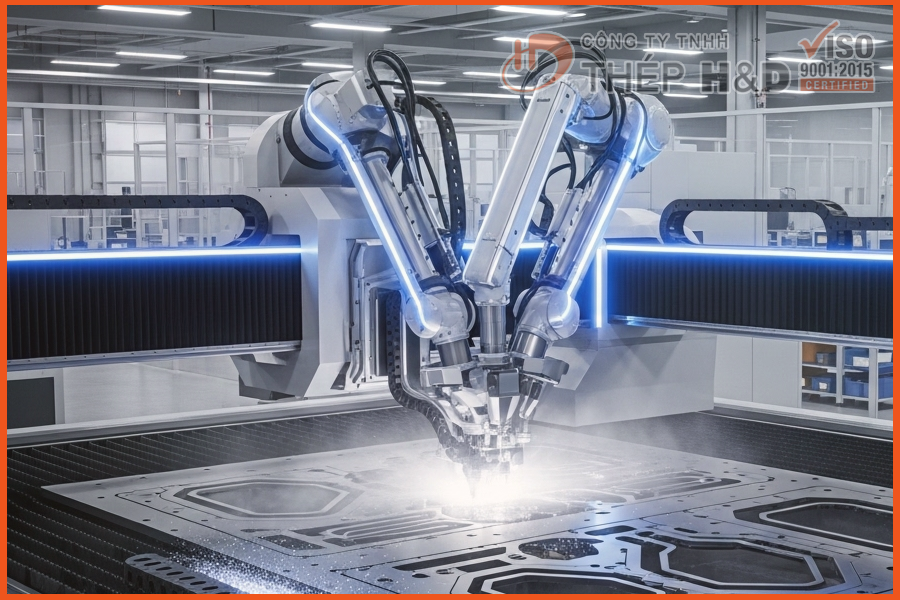
October 29, 2025 – The global waterjet cutting machine market is poised for significant expansion over the next decade, driven by increasing demand for precision cutting, technological advancements, and environmental benefits. While there are slight variations in Compound Annual Growth Rate (CAGR) projections across market reports, the overarching trend indicates a promising future for this non-thermal cutting technology. Investors, managers, and technical experts must understand the key drivers, market segmentation, and challenges to fully capitalize on the industry's potential.
The waterjet cutting machine market is propelled by several critical factors:
The waterjet cutting machine market can be segmented by various criteria:
Leading global players in the waterjet cutting machine market include OMAX Corporation, Flow International Corporation, Koike Aronson, Inc., Jet Edge, Inc., WardJet, Inc., Hypertherm, Inc., and Bystronic Group (which includes Waterjet AG). These companies are recognized for their innovation, global reach, and strong after-sales services.
Challenges:
Future Trends:
According to independent market reports, the Compound Annual Growth Rate (CAGR) for the waterjet cutting machine market varies:
While some sources may cite a 5.1% CAGR for 2025-2035, major industry reports generally provide slightly lower figures for the abrasive segment and similar or lower rates for the overall market. This suggests that the 5.1% figure might be a more optimistic projection compared to average industry estimates.
The global waterjet cutting machine market is being shaped by technological innovation, material versatility, and environmental benefits. Despite challenges related to cost and complexity, increasing demand from critical industries and automation trends will continue to drive growth. Asia-Pacific will lead in volume, while North America and Europe focus on advanced applications. Investors and professionals should closely monitor these trends to make strategic decisions, especially given the potential variations in growth forecasts across different sources.
References:
5052 aluminum sheet in O, H32 and H34 tempers differs clearly in strength, ductility...
Shanghai reopened after National Day with two down sessions: the SMM A00 aluminium in...
From 20 October 2026, Decree 344/2026/ND-CP opens a state ordering mechanism and ince...
Aluminum's physical figures differ between alloys, and each figure drives a concrete...
The SMM A00 aluminium ingot price fell in all three sessions of week 40/2026, closing...
Vietnam's car market sold 432,548 vehicles in the first eight months of 2026, the fas...
3mm aluminum sheet is the most requested thickness in the thin-to-medium range: stiff...
A6061 is a heat-treatable aluminium–magnesium–silicon alloy widely used for machine f...
Drewry's Intra-Asia Container Index closed at 1,491 USD/40ft on 24 September 2026, up...
The SMM A00 aluminium ingot price ended week 39/2026 at 24,240 CNY/t, up 60 CNY/t fro...


